All Categories
Featured

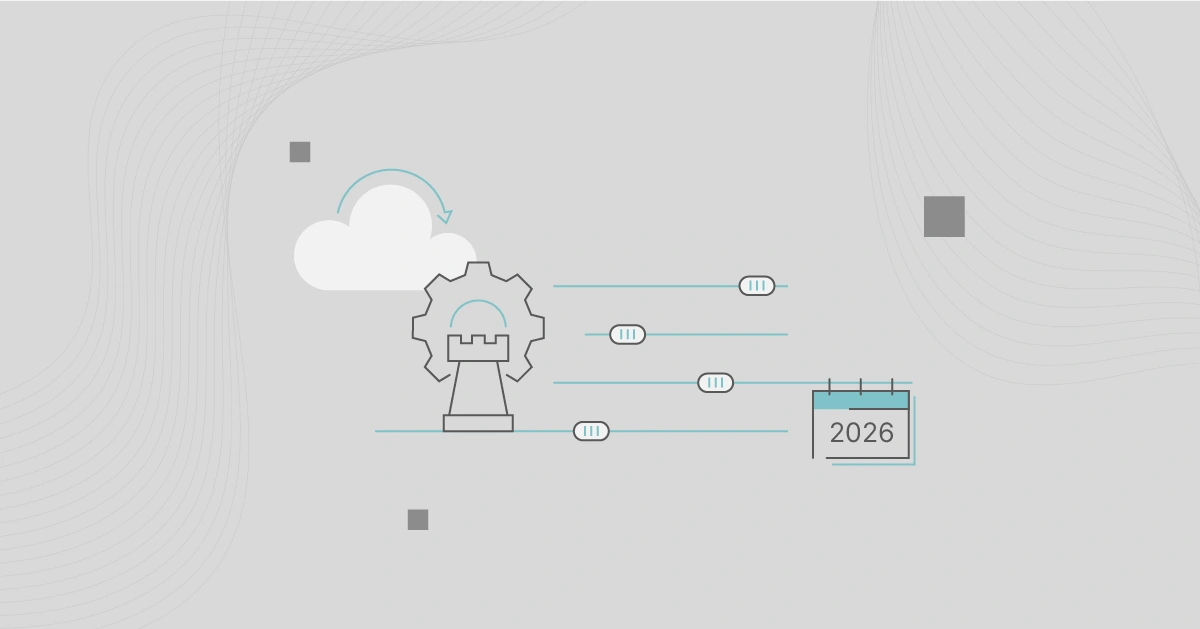
Why IT Management Remains Essential for 2026 ROI
Table of Contents
By tracking cloud resources and their associated expenses, business can make educated decisions that align with their monetary and strategic goals. In essence, cloud property management isn't just a side componentit's a cornerstone of digital improvement strategies. It makes sure that services can scale efficiently, control expenses, and maintain the dexterity needed to adjust to ever-changing market demands.
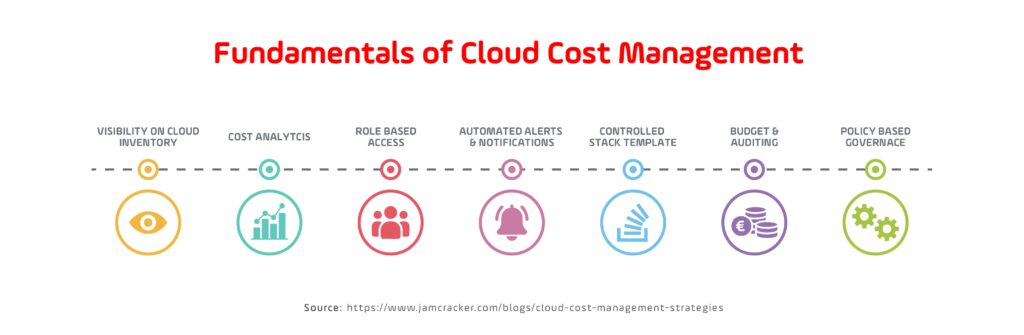
Future-Proofing Digital Cloud Management for 2026Handling cloud assets is important for organizations due to: Preventing over-provisioning and removing unused cloud resources. Acquiring insights into cloud use and preventing shadow IT.
By leveraging these combination alternatives, businesses can make it possible for single sign-on (SSO) for cloud-hosted work. This streamlines authentication, letting users access resources with their familiar qualifications while keeping centralized identity management. The key is to configure IAM controls so that roles and approvals mirror just what each user needsadhering closely to the principle of least benefit.
To protect sensitive details in the cloud, organizations ought to execute robust encryption both in transit and at rest. Think about these proven methods: Usage industry-standard procedures such as TLS (Transportation Layer Security) to encrypt information as it moves in between devices and cloud services. Secure data at rest using algorithms like AES-256, making sure files remain protected even if storage resources are compromised.
Refining Cloud Allocation to Reduce Excess IT Costs
By applying these techniques, companies can significantly enhance their data security posture in any cloud environment. To reinforce cloud perimeter security beyond fundamental steps, companies can utilize a variety of specialized tools.
These tools provide deep package examination, evaluate network traffic for signs of malicious activity, and can automatically react to block or alert on threats as they arise. For even greater exposure, think about solutions that offer real-time traffic analysis and behavior monitoring. This proactive method helps identify abnormalities and potential breaches early, reinforcing your protective perimeter.
A critical piece in the cloud security puzzle is the shared obligation model. This framework plainly defines where the cloud supplier's security duties end and where yours beginthough the borders shift depending on your selected cloud service design: Facilities as a Service (IaaS), Platform as a Service (PaaS), or Software as a Service (SaaS).
Why IT Control Stays Vital for 2026 ROI
You, the customer, are responsible for protecting whatever you build atop that infrastructure. This spans from setting up OS patches and handling network security controls to configuring firewall programs and protecting your virtual devices with malware protection.: With PaaS, the company extends their protective reach to consist of the platform itselfthink managed operating systems and middleware.
You'll require to impose strong gain access to controls, safe and secure sensitive details, and monitor your hosted applications.: SaaS environments unload the bulk of security management to the supplier. They're charged with securing the application stack, underlying operating systems, and network settings. Your primary focus shifts to securing user access, handling usage policies, and protecting your company's information within the application.
Leverage both integrated and third-party security tools to strengthen the locations under your control. Keep access policies, monitoring practices, and data defense protocols as much as date, no matter your cloud usage model. Cloud security isn't one-size-fits-all, however with a clear grasp of your function in this partnership, you set the phase for a more secure, more durable environment in the cloud.
Instead of juggling a patchwork of diverse toolseach with its own control panel and learning curvesecurity teams get one thorough view into endpoints, work, identities, and information security. This debt consolidation minimizes intricacy, making it simpler to track potential risks as they unfold, without the need to hop between numerous user interfaces to get the complete image.
Improving Enterprise Performance KPIs Via Enhanced Governance
By managing defenses, tracking, and policy implementation from a main console, teams are empowered to execute constant security steps throughout accounts, areas, and tasks in one go. This method minimizes the overhead of handling several licenses, decreases administrative concern, and guarantees policies are enforced uniformly. Eventually, consolidating security controls enhances presence, effectiveness, and agilitycore active ingredients for keeping rate with progressing cloud needs.
Leveraging Performance Metrics to Drive Cloud ROIRather than leaving teams to rush in the middle of turmoil, these plans provide a clear strategy must an incident occur. With predefined obligations and structured workflows, everyone knows their rolethink of it as appointing seats on a lifeboat before the storm hits. Having this structure in place yields a number of key benefits: Immediate and coordinated action helps consist of threats before they mushroom.

Latest Posts
Effective IT Budget Allocation Strategies
Improving Enterprise Resource Management Best Practices
Key Efficiency KPIS for Modern IT Assets